There are days when your home feels too quiet — when even the ticking clock sounds a little louder than it should.
Maybe you’ve had a long day, or maybe you just wish your space could wrap around you with warmth and presence.
Your living room doesn’t just hold furniture — it holds emotions, memories, and the energy of how you feel inside. The good news is that with a few gentle changes, you can turn silence into comfort and emptiness into ease. Let’s explore six simple ways to make your living room feel more welcoming, especially when life feels a little lonely.
1. Soft Light

Light has a language.
A harsh bulb can make a room feel distant, while soft light invites calmness in.
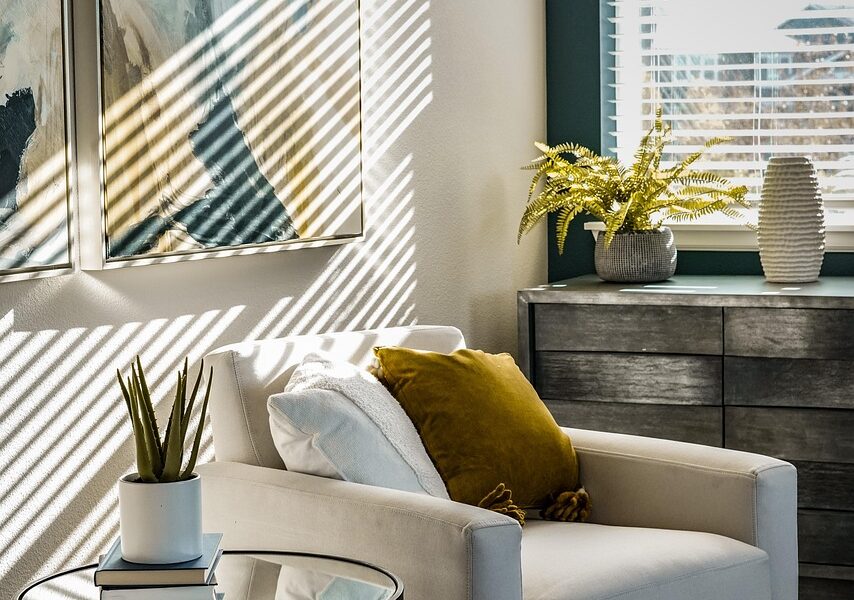
Open your curtains in the morning and let the daylight touch every corner. In the evening, switch to a low-glow lamp — something warm, not white.
Soft light doesn’t just brighten a space; it soothes it. It reminds you that gentleness can exist even in silence. Try adding a small table lamp beside your favorite chair or string fairy lights around your window for a golden evening glow.
2. Warm Colors
Colors shape emotions more than we realize.
When you surround yourself with earthy tones — soft amber, clay, or olive — your eyes rest, and your heart follows.
If your walls are pale and cold, add warmth through textures: a rust-colored throw, a terracotta vase, or a mustard pillow. These hues whisper rather than shout. They make you feel grounded, safe, and quietly cared for.
3. Open Space
Clutter amplifies loneliness.
When every corner feels crowded, your mind doesn’t know where to rest. Start by giving your furniture a little room to breathe — just a few inches between your sofa and the next piece can make a big difference.
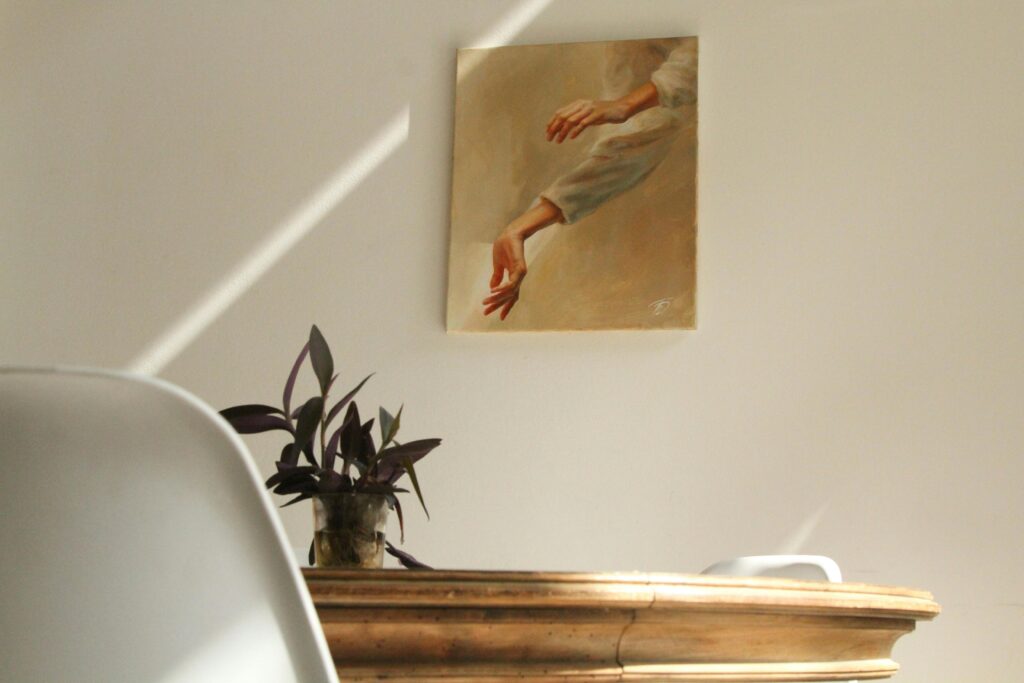
Instead of filling every wall, leave some space open. Stillness has its own kind of beauty. It reminds you that peace isn’t found in more things, but in the gentle rhythm of less.
4. Gentle Textures
When you’re alone, touch becomes powerful.
A velvet cushion, a soft throw, or a knit rug can ground you in the present moment. It’s a way of telling your nervous system: you’re safe here.
Run your fingers across your sofa fabric, wrap yourself in a blanket that feels like comfort, or walk barefoot on a soft rug. Design isn’t just what you see — it’s what your body feels.
5. Facing Inward
The way your furniture faces can shape how you feel.
If your chairs and sofa all point toward the TV or walls, you may feel unintentionally closed off. Try turning them toward each other — even slightly.
When furniture faces inward, it invites connection — even if the only person you’re connecting with right now is yourself. It’s a quiet reminder that your home can hold space for company, for reflection, and for you.
6. Traces of Life

A welcoming room doesn’t need to be spotless — it needs to be lived in.
A half-read book on the table, a candle burned halfway down, or your favorite mug left out — these are traces of life. They tell a story of being present.
Instead of hiding everything away, allow a few signs of warmth to remain visible. They make your space feel human — like it’s truly yours.
When you design with gentleness, you’re not just decorating a room — you’re healing it. Every small change becomes a quiet affirmation that you deserve comfort, peace, and belonging.
Your living room can’t replace people, but it can remind you that solitude doesn’t have to mean emptiness. It can be a soft, breathing pause — a place where your heart exhales.
Conclusion
Try one small thing today — switch on a warm lamp, add a soft blanket, or clear one corner of clutter.
You might notice that your room starts to feel a little kinder, and so do you.
Your home doesn’t need to be perfect to feel peaceful. It just needs to hold space for you, one gentle detail at a time.