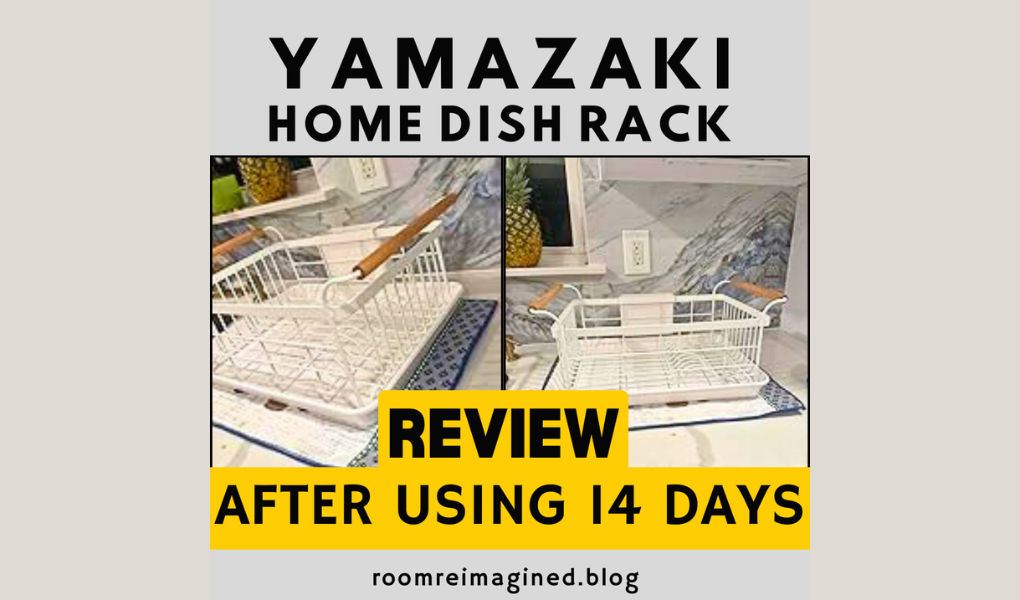
The Real Reason This Product Enters a Home
Your kitchen counter is tight. You’ve got a dish rack you actually sort of hate — it’s either too big, too ugly, or both. Then you see this one online. It’s sleek. It has wood handles. It photographs well. It doesn’t scream “kitchen tool.” It looks like it belongs there. That’s the moment you decide to try it.
You’re not looking for a dish rack. You’re looking for something that makes sense in a small space and doesn’t make you wince every time you look at it.
What This Product Promises
The Yamazaki Home Dish Rack suggests that you can have both: something that works and something that looks intentional. It promises to hold dishes, drain them, and occupy minimal visual real estate. The tray is removable for easy cleaning. The steel frame is coated to prevent rust. The wood handles feel nice in your hands. Everything is optimized.
It’s supposed to be a dish rack that doesn’t feel like a compromise.
The First Few Days: What Feels Right Immediately
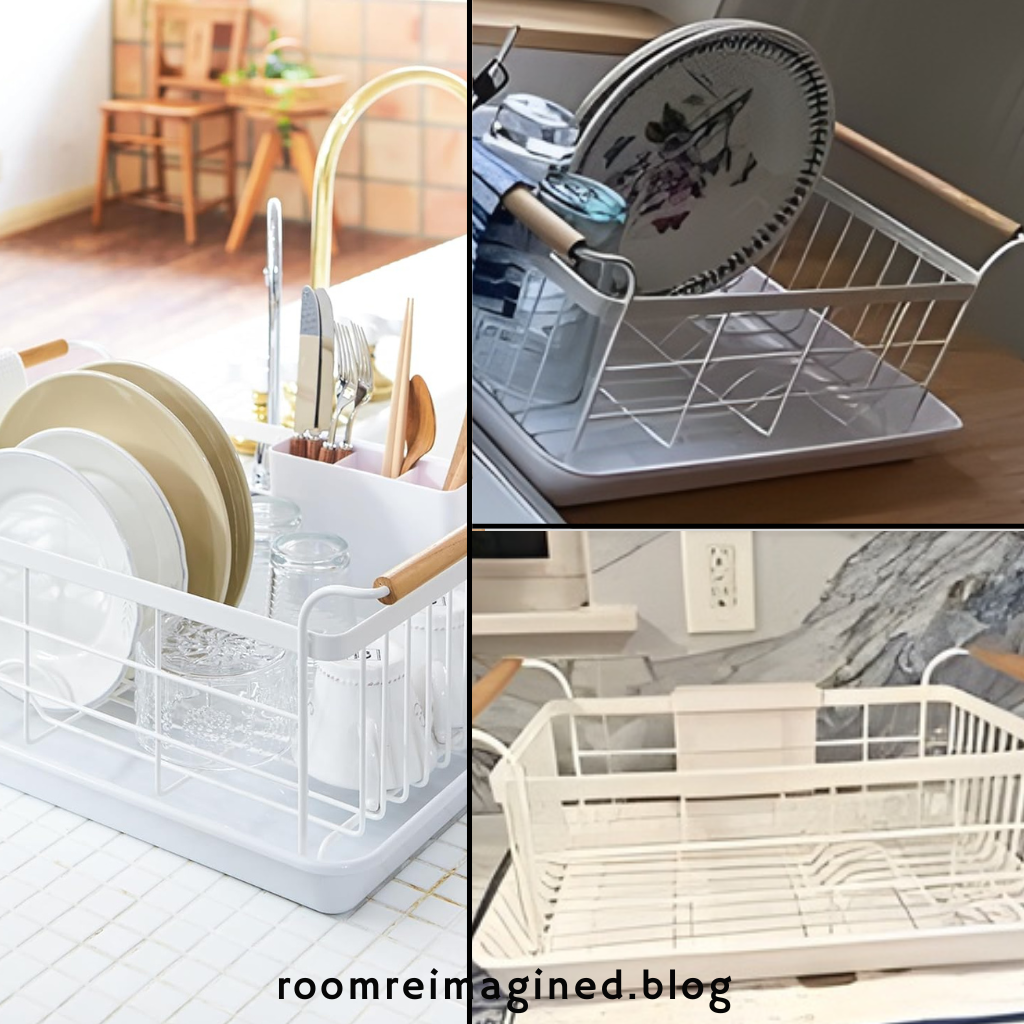
For the first three days, everything works. You wash dishes, place them in the rack, and it looks exactly how it did in the pictures. The tray sits neatly under the wire frame. Your glasses fit. Your plates lean cleanly. The wood handles feel good to hold when you move it to empty the tray.
You think: This was worth the money.
The frame is sturdy. Nothing wobbles. You can fit a decent number of items without them falling out. There’s no sharp edges. It’s easy to remove individual pieces for washing. It doesn’t clang or scrape loudly like some racks do. For the first few days, you catch yourself noticing it — in a good way.
What Changes After Regular Daily Use
Around day five or six, you notice something in the tray that wasn’t there before.
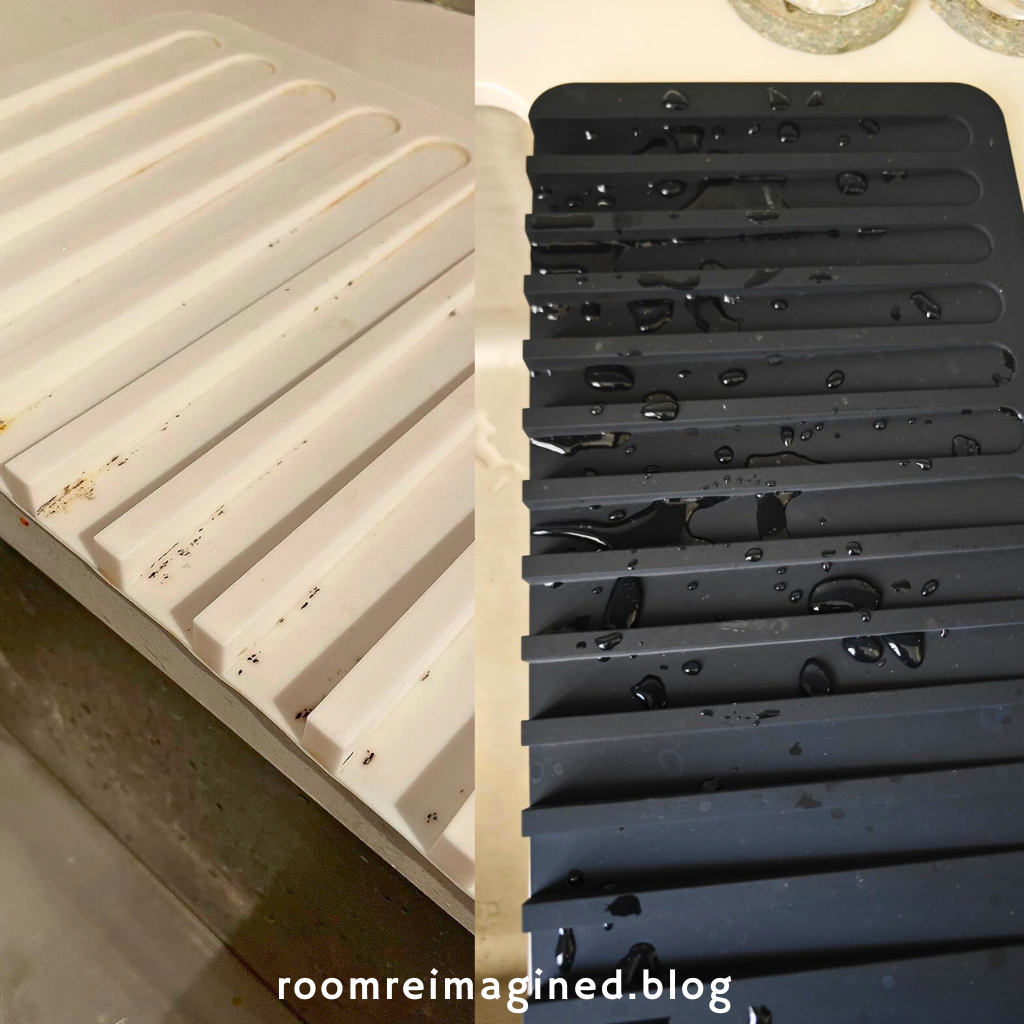
White spots. They’re not dirt. They’re mineral deposits from the water — hard water stains. You rinse the tray, but they don’t come off. You run your finger over them. They’re slightly rough, slightly stuck to the plastic surface.
By day eight, the pooling becomes undeniable. Water doesn’t flow off the tray the way you expected. It settles in the middle. Small depressions collect moisture. The tray sits flat — there’s barely any slope to encourage drainage. You find yourself tilting it slightly to watch water roll toward the edge. One hand, the tray in the other, like you’re doing something extra that shouldn’t be necessary.
By day ten, you’ve made a change. You place a small towel under the tray. Not because the rack is broken, but because standing water in plastic feels unsanitary. The towel catches what doesn’t drain. You’ll swap it out once or twice a day. This is now part of the routine.
Around day twelve, you notice fine scratches on the powder-coated steel frame. They’re barely visible unless the light hits right. Each time you place a fork or a pan edge on the frame, you’re adding one more tiny mark. They’re not deep — not yet. But they’re accumulating. You wonder how long before they start showing rust.
By day fourteen, your hands have stopped being gentle with the wood handles. You grab them. You pull. You move the whole rack across the counter with momentum. The wood is holding up fine, but you’re thinking about something else: these handles are inches from constant water vapor. They’re next to the tray. They’re absorbing moisture. You wonder how long they’ll stay looking the way they do now.
The Silent Problems People Don’t Mention
1. The Tray Becomes a Maintenance Task
The plastic ABS tray stains easily and doesn’t self-clean. Hard water minerals embed in the surface. Unlike a sloped, angled tray that actively drains, this one collects water like a shallow bowl. You’ll need to wipe it down every few days if you care how it looks. Some people vinegar-soak it weekly. This is work nobody mentions in the reviews.
2. The Frame Scratches Matter More Than You’d Think
The powder coating is thin. It protects the steel underneath, but it scratches almost immediately with daily use. Forks, knife edges, the corner of a plate — they all leave tiny marks. Individually, invisible. Together, after two weeks, they’re a pattern. You’re always slightly aware now that you’re managing the appearance, not just using it.
3. Wood Handles in a Wet Environment Feel Wrong After Time
The ash wood handles are pretty, but they’re located directly above a damp tray in a humid environment. You’ll start noticing they’re never truly dry. By week two, you’re thinking about what happens by month three. Will they warp? Will they develop mold in the grain? The product doesn’t say. This mental loop becomes a quiet background stress.
Who This Product Slowly Becomes Wrong For
This rack isn’t for people with hard water. If you have mineral-heavy water, the tray will frustrate you by week two. You’ll spend time maintaining something that was supposed to save you time.
It’s not for households with two or more people doing dishes daily. The capacity is modest, the drainage is slow, and the pooling problem magnifies when you’re cycling through multiple loads of dishes. You’ll feel the friction.
It’s not for people who just want to set something down and forget about it. The tray requires regular attention. The surface needs cleaning. The pooling needs managing. If you’re someone who values minimal maintenance, this creates a quiet disappointment every time you use it.
It’s not for people in humid climates where moisture is already a factor. The wood handles and the slow-drying tray are problems waiting to become bigger problems.
Who Will Actually Be Happy Living With It
This works best for someone living alone or two people who do dishes once a day, together. Someone with soft water. Someone who is okay — even glad — to wipe down the tray every few days as part of their routine. Someone who doesn’t see that as burden but as part of caring for something intentional.
It works for people who have a small kitchen and will accept a compromise: a bit more maintenance for something that looks better than standard alternatives. Someone who would rather have an extra 15 seconds of tray care than have an ugly rack dominating their counter.
It works for people who are aware of what they’re buying — not someone who expects it to be a perfect appliance, but someone who knows they’re buying aesthetics plus basic function, with trade-offs included.
One-Sentence Real-World Verdict
Read More: An Honest Review of the Yamazaki Home Shoe Rack
Read More: An Honest Review of mDesign’s Stackable Bins